Cleaning the Beach, Changing Perspectives: A Retake Day on the shores of Rome
Rome, Italy
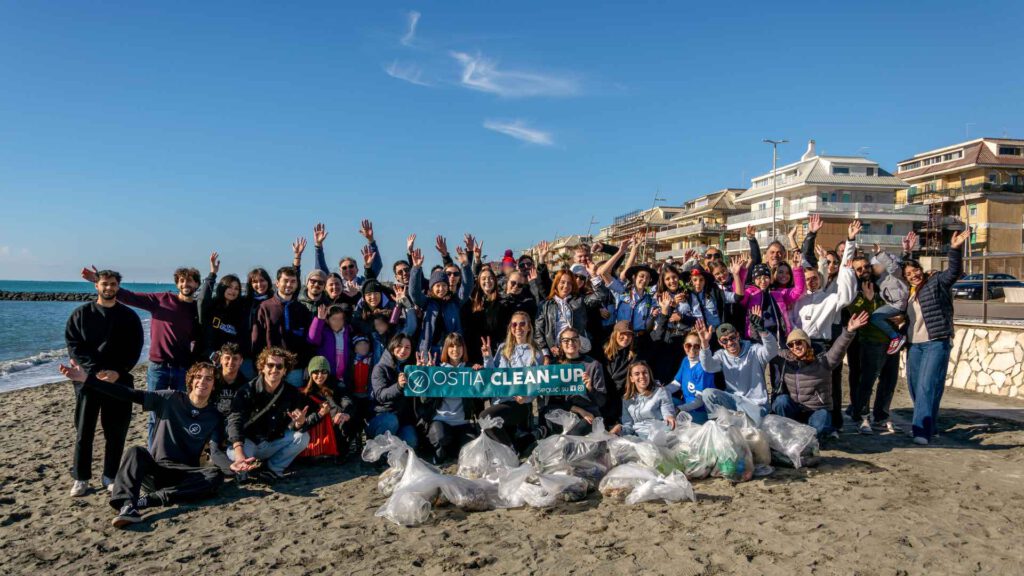
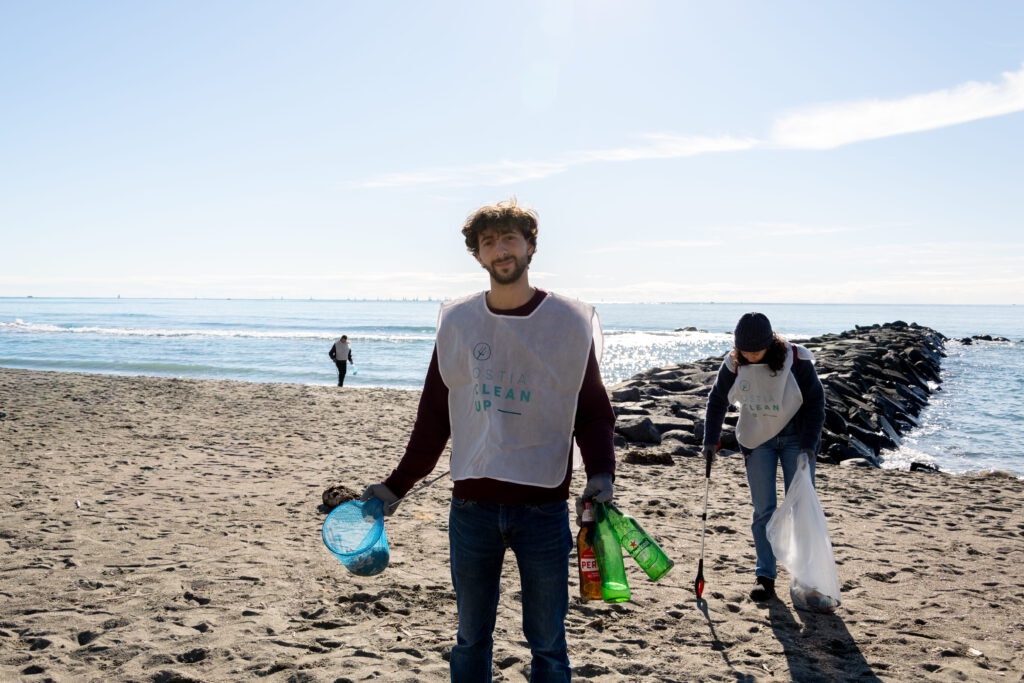
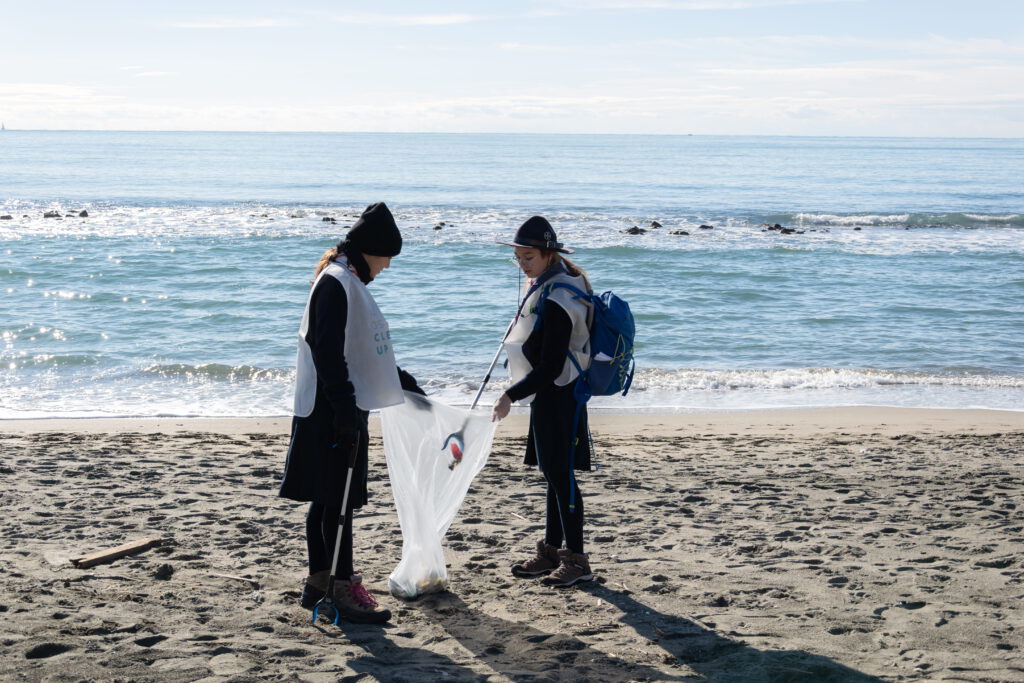
Who said that a beach clean-up can only happen during summer? On the 23rd of November 2025, on the seashore of Rome, more than 70 volunteers gathered on the beach known as Spiaggia Limone for a clean-up session hosted by Europiamo and Ostia Clean-Up in the context of the Youth Green Compass project. No umbrellas, no sunbeds, no holiday crowds—just people, gloves, bags, and a strong sense of responsibility toward the sea.
This was not just a clean-up. It was a retake event: a collective action to reclaim a public space and remind ourselves that beaches are not disposable places used only during the bathing season. They are living ecosystems, fragile borders between land and sea, and they deserve care all year round.
Photo by Chiara Sugaroni
A Collective Effort with a Tangible Impact
In just a few hours, the volunteers managed to collect 47 kilograms of waste scattered along the shoreline. Broken down, the numbers tell a powerful story:
8.4 kg of recyclable plastic
8.6 kg of glass
30 kg of unsorted waste
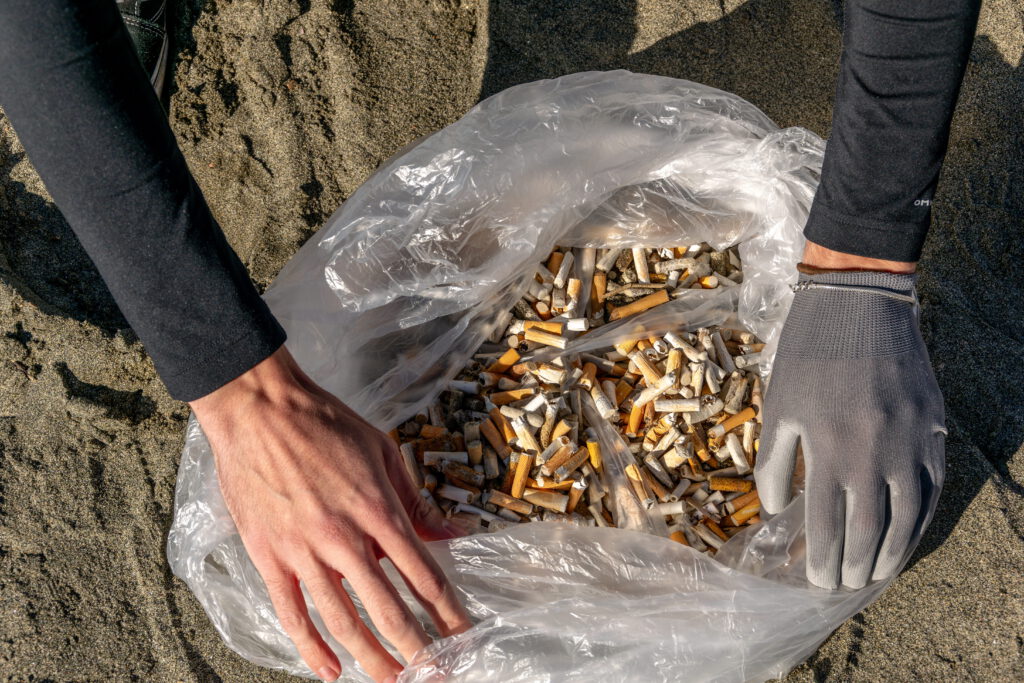
These figures are striking, especially considering that the beach was not crowded at the time. They reveal a reality we often prefer to ignore: much of the waste we produce doesn’t disappear. It travels. It floats. It gets buried in sand or carried by currents until it washes up on our shores. Every bottle, fragment of plastic, or piece of glass collected that day was a reminder of how closely our daily habits are connected to environmental degradation.
This was not just a clean-up. It was a retake event: a collective action to reclaim a public space and remind ourselves that beaches are not disposable places used only during the bathing season. They are living ecosystems, fragile borders between land and sea, and they deserve care all year round.
Marine and coastal pollution has been a global issue for far too long. Beaches across the world have turned into unintended landfills, silently accumulating the by-products of overconsumption and poor waste management. What makes this problem even more alarming is its invisibility: once waste leaves our hands, we stop thinking about it.
This is where clean-up initiatives become powerful tools—not only for restoring a piece of land, but for changing mindsets.
As volunteers worked side by side, conversations naturally emerged. People shared stories, concerns, and reflections. Some were surprised by the amount of waste collected; others were struck by the variety of objects found. These moments of exchange are just as valuable as the clean sand left behind.
A simple clean-up can spark questions: Where does our waste really end up? How can we reduce what we produce?What responsibility do we have toward shared spaces?
As the bags filled up and the beach slowly returned to its natural beauty, one thing became clear: the impact of the day went far beyond the 47 kilograms of waste collected. It lived in the awareness raised, in the connections formed, and in the renewed sense of responsibility carried home by each participant.
Because cleaning a beach is not just about removing trash—it’s about rethinking our relationship with the environment and understanding that every action, no matter how small, can contribute to a larger change.